Should You Tip Live Casino Dealers? The Unwritten Rules of Digital Gratuity
The evolution of online gambling has created a fascinating cultural crossover between the physical pit and the virtual table. In a traditional brick-and-mortar establishment, the ritual of sliding a chip to the dealer is second nature to many seasoned players. However, when the action shifts to a streamed environment, the etiquette becomes murky. The question of whether to tip live casino dealers is not merely about generosity; it is a nuanced intersection of player psychology, platform mechanics, and operator policy. 🎰
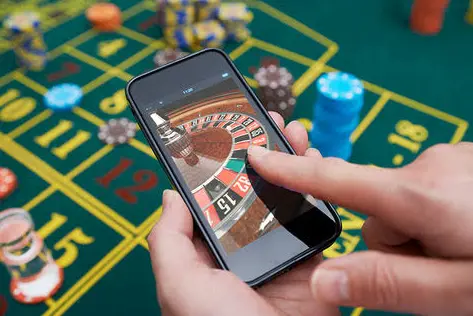
The Technical Nuance of Virtual Gratuity
To understand the mechanics of tipping in a live dealer setting, one must first grasp the underlying architecture. Unlike a random number generator (RNG) game where the house edge is purely mathematical, live dealer games are broadcast from dedicated studios. The dealer is a human employee of a third-party studio provider, not necessarily the casino brand you are playing on. When you click that tip button, the funds do not always go directly into the dealer's pocket in real-time. Instead, they are pooled into a centralized system. In many jurisdictions, these funds are subject to complex revenue-sharing agreements and tax withholdings that vary wildly depending on the licensing authority. This is where the concept of should you tip live casino dealers becomes a strategic decision rather than a simple gesture of goodwill.
Platform Mechanics and Dealer Incentives
From a professional standpoint, the integration of tipping features is a calculated move by operators to enhance engagement metrics. Studies in behavioral psychology suggest that players who tip feel a greater sense of agency and connection to the game, often leading to longer session times. However, the distribution model is critical. Some studios operate on a transparent model where 100% of the tip goes to the dealer on shift, while others use a points-based system. Understanding the specific studio's policy—whether it is Evolution, Pragmatic Play, or Playtech—is essential for the savvy player. If you are playing at a table with a high turnover rate, the dealer may only see a fraction of your generosity. This is why the question of should you tip live casino dealers requires a clear understanding of the intermediary. 💸

The Impact on Game Flow and Interaction
While the mathematical expectation of a tip is zero, the sociological impact is substantial. A dealer managing a high-stakes blackjack table or a fast-paced roulette wheel operates under immense pressure. Acknowledging their professionalism with a tip can subtly influence the pace of the game. In a live environment, where the dealing speed is determined by human dexterity rather than an algorithm, a cordial relationship can lead to a smoother, more fluid session. It is not about buying favors, but about recognizing the human element in a digital void. Many high-rollers view tipping as an operational cost of maintaining a premium table presence, ensuring the dealer remains attentive to their specific betting patterns and requests. 🃏
Regulatory and Ethical Considerations
From a regulatory perspective, tipping introduces a layer of complexity regarding anti-money laundering (AML) compliance. Casinos are required to track the flow of funds meticulously. While a small tip is negligible, large gratuities can trigger reporting thresholds. Furthermore, some operators explicitly forbid tipping to prevent dealers from influencing game outcomes or showing favoritism. Therefore, the decision to tip must be balanced against the platform's terms of service. If you are playing in a jurisdiction like Malta or Gibraltar, the tip is treated as part of the dealer's taxable income. In contrast, some offshore jurisdictions may not have a clear framework, meaning your tip might be absorbed entirely by the studio's operational overhead.
The Psychology of Generosity in a Digital Void
The final layer of this equation is purely psychological. In a physical casino, the tip is a tangible transaction—a chip crosses the felt. In a live stream, the interaction is mediated by a screen. Some players feel that tipping a digital avatar is superfluous, arguing that the dealer is simply performing a job function. Others feel a profound sense of camaraderie, especially during marathon sessions. The act of tipping can trigger a dopamine response similar to a win, reinforcing positive gameplay. 🎲 Ultimately, the decision rests on your personal value system and your assessment of the entertainment value provided by the dealer's performance.